25 Mar 2021
Citrus Greening

Citrus Greening: Management Strategies and their Economic Impact

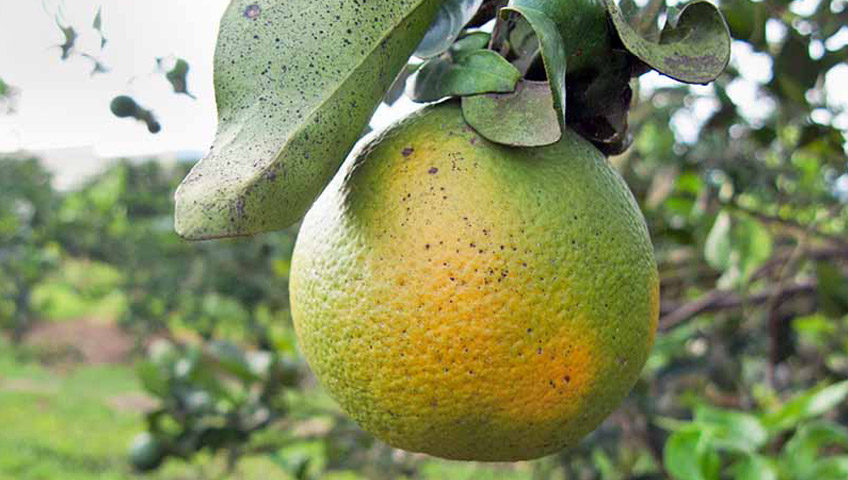
Citrus huanglongbing (HLB), or greening, is the most destructive citrus disease worldwide and is threatening the sustainability of the industry in major citrus-growing regions. Various treatments have been proposed in the literature to manage the disease. We review such literature and conduct an economic analysis based on the reported treatment effects on fruit yield and quality to identify cost-effective management strategies.

READ MORE

23 Feb 2021
Citrus

Rootstocks and Plant Water Relations affect Sugar Accumulation of Citrus Fruit via Osmotic Adjustment

The aim of the study is to determine how rootstock types affects sugar accumulation in Citrus fruit. This was tested by using controlled water-deficit stress during phase II of fruit growth, that causes active osmotic adjustment by increasing the solute concentration in fruit due to sucrose being hydrolyzed to fructose and glucose.

READ MORE

25 Jan 2021

Fruit load restricts the flowering promotion effect of paclobutrazol in alternate bearing Citrus spp.

The floral bud inductive period, PBZ promotes flowering in Citrus; however, our results indicate that this effect is fruit-load dependent. In ‘Salustiana’ and ‘Navelina’ sweet oranges, ‘Hernandina’ Clementine mandarin, and ‘Afourer’ and ‘Moncada’ hybrids, flowering intensity significantly increased the following spring for medium-to-low fruit-load trees treated with either 1–10 g PBZ tree−1 applied to the soil or 15 g tree−1 sprayed on the canopy. PBZ significantly increased the percentage of sprouted buds and leafless floral shoots (both single-flowered shoots and inflorescences) and reduced the number of vegetative shoots.

READ MORE

05 Dec 2020
Orange Fields

Understanding disease-induced microbial shifts may reveal new crop management strategies.

Researchers at the University of California studied the role of the tree’s microbiome in the progression of citrus greening disease. They used amplicon technology to study the microbiome during the progression of HLB, and found that harmful microbes increased, while beneficial microbes decreased during the disease progression.

READ MORE

05 Dec 2020
Citrus Industry

SA’s citrus beats the world’s Covid blues

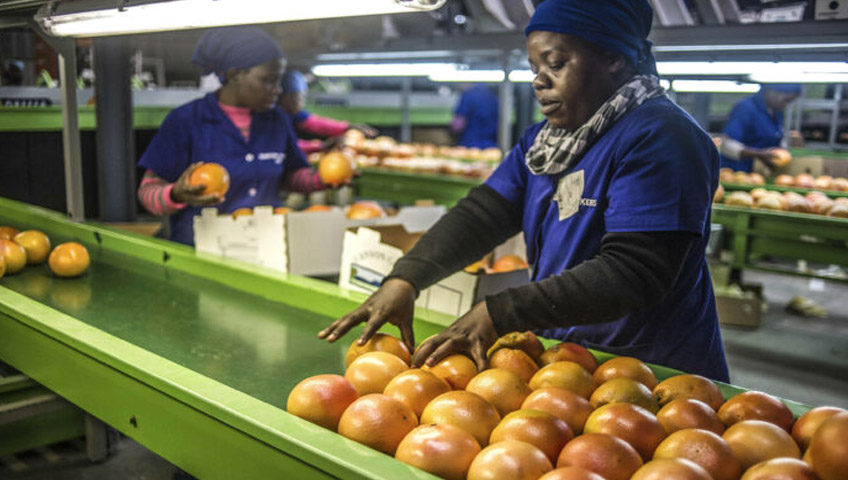
Despite the Covid-19 pandemic and all the uncertainties it caused, the 2020 citrus season turned out to be one of the best that South Africa has ever had. On estimate, South Africa exported 21.3 million cartons more than the previous season. Better access to US markets due to additional ports of entry, and access to Philippine markets, have contributed to an increase in demand for South African citrus.

READ MORE

05 Dec 2020
Cover Crops

Cover crops for citrus

Cover crops are specific crops not intended for sale but for soil improvement and sustainability. They are increasingly common in the agricultural fields of the Midwest and other grain-producing regions because of the wide range of benefits not just for the soil, but also the cash crop. In those systems, cover crops improve water and nutrient retention, promote microbial activity, reduce weed growth and insect pests, and improve plant growth. Similar impacts have been found in tree crops like apples and peaches, where cover crops are planted in row middles.

READ MORE

23 Nov 2020
Flooding

Impacts and management of flooding and waterlogging in citrus orchards

The recent heavy rainfall and flooding events in NSW may cause some immediate damage to trees, but may also have significant long term impacts on citrus orchards, particularly those planted on heavy soils or those with impeded drainage. Previous flooding events in the MIA Previous flooding and high rainfall events occurred in the Murrumbidgee Irrigation Areas (MIA) in the 1930’s and 40’s (during the winter months) and the impacts of those events, combined with a tendency to over-water resulted in considerable decline in tree health and the death of many trees. Survey and research work undertaken by Dr. Lilian Fraser concluded that one of the main causes of tree death and decline was due to infection by the root rot fungus Phytophthora citrophthora.

READ MORE

20 Oct 2020
Leaf Abscission

Hormonal regulation of fruitlet abscission induced by carbohydrate shortage in citrus

Like many fruit trees species, citrus trees blossom with high profusion and thereafter exhibit massive fruitlet abscission. Current evidence indicates that this process is under hormonal and metabolic regulation (Gillaspy et al. 1993). In citrus, it has been suggested that after hormonal activation of initial fruit growth subsequent development is mostly supported by nutrient supply (Talon et al. 1997). Thus, once mineral and water requirements are satisfied, competition for photoassimilates is thought to be responsible for fruit drop (Moss et al. 1972; Powell and Krezdorn 1977; Goldschmidt and Koch 1996).

READ MORE