26 Oct 2026
Young Citrus

Expression of carbohydrate-related genes underlying 3,5,6-TPAinduced fruitlet abscission in citrus

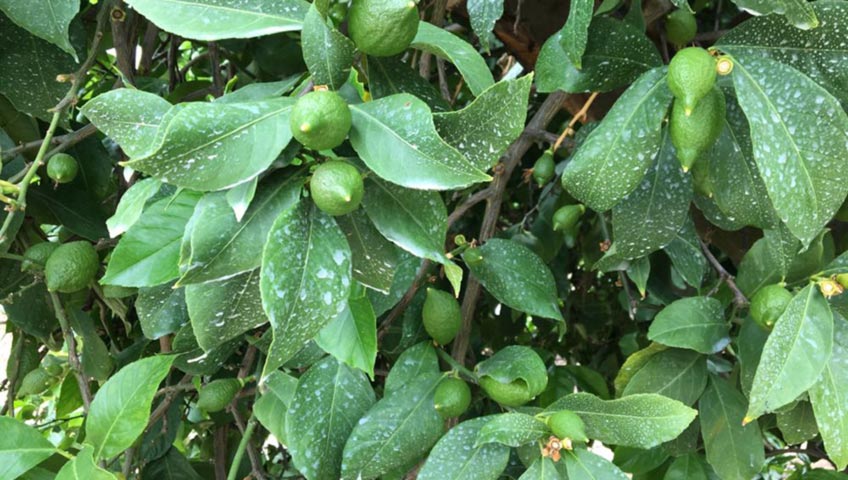
In citrus, the synthetic auxin 3,5,6-trichloro-2-pyridyloxyacetic acid (3,5,6-TPA), applied as a foliar spray at a concentration of 15 mg l− 1 during physiological fruitlet abscission, caused additional fruitlet drop and reduced the number of fruits reaching maturity. The effect was much more pronounced at full physiological abscission than after. In this study, this thinning effect was successfully exploited for the first time in sour orange trees grown in an urban environment, reducing harvesting costs by up to almost 40%. This effect is mediated by the leaves, which alter their photosynthetic activity.

READ MORE

29 Sep 2023
Washington Navel Orange

Effects of 2,4-D on the size of the navel-endopening and fruit quality of ‘Washington’ Navel orange

Large, protruding navel-end openings of navel oranges (Citrus sinensis (L.) Osbeck) are a major cull factor in the packhouse and make the control of some insects very difficult. Previous work on navel orange trees suggested that the synthetic auxin, 2,4-dichlorophenoxyacetic acid (2,4-D), applied at full bloom at 20 mg·L-1 reduced the diameter of the navel-end opening. In a preliminary study to verify these results under South African conditions, similar results were obtained when 2,4-D was applied at 25 mg·L-1 at petal drop on ‘Palmer’, ‘Robyn’ and ‘Lane Late’ navel orange trees. To determine the optimal timing and concentration of application without any detrimental effects on fruit quality, 2,4-D was applied at 15, 25 or 35 mg·L-1 at either full bloom or petal drop to ‘Washington’ navel orange trees in the following season.

READ MORE