
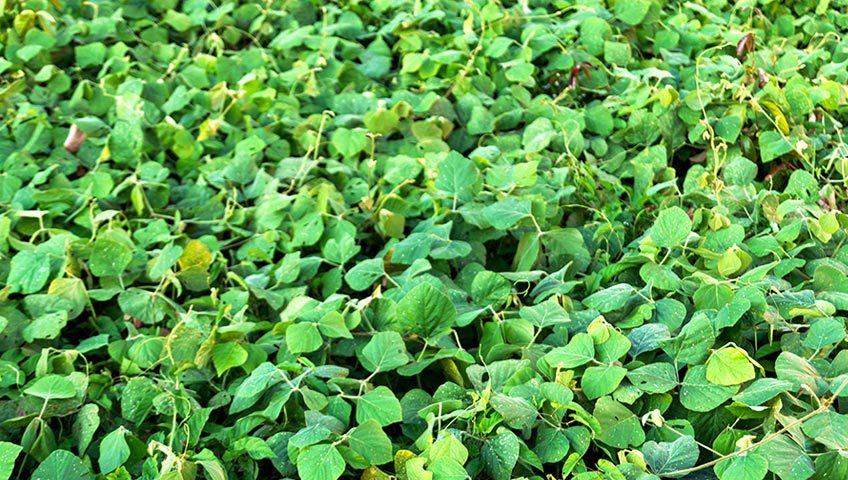
There are numerous management issues to consider when using cover crops. Once you decide what your major goals are for using cover crops, select one or more to try out. Consider using combinations of species. You also need to decide where cover crops best fit in your system—planted following the main crop, intercropped during part or all of the growing of the main crop, or grown for an entire growing season in order to build up the soil.
The goal, while not always possible to attain, should be to have something growing in your fields (even if dormant during the winter) all the time. Other management issues include when and how to kill or suppress the cover crop, and how to reduce the possibility of interference with your main crops either by using too much water in dry climates or by becoming a weed in subsequent crops.
Although most farmers use single species of cover crops in their fields, mixtures of different cover crops offer combined benefits. The most common mixture is a grass and legume, such as winter rye and hairy vetch, oats and red clover, or field peas and a small grain. Other mixtures might include a legume or small grain with forage radish or even just different small grains mixed together.
Click here to read the full article.
Source:
https://www.sare.org/